At VIGINSENG, we are pioneering improvements in environmentally friendly cultivation models for Vietnamese Ginseng (Panax vietnamensis). Traditionally, Vietnamese Ginseng has only been cultivated at elevations above 1,600 meters, limiting the available cultivation area and placing pressure on natural resources.
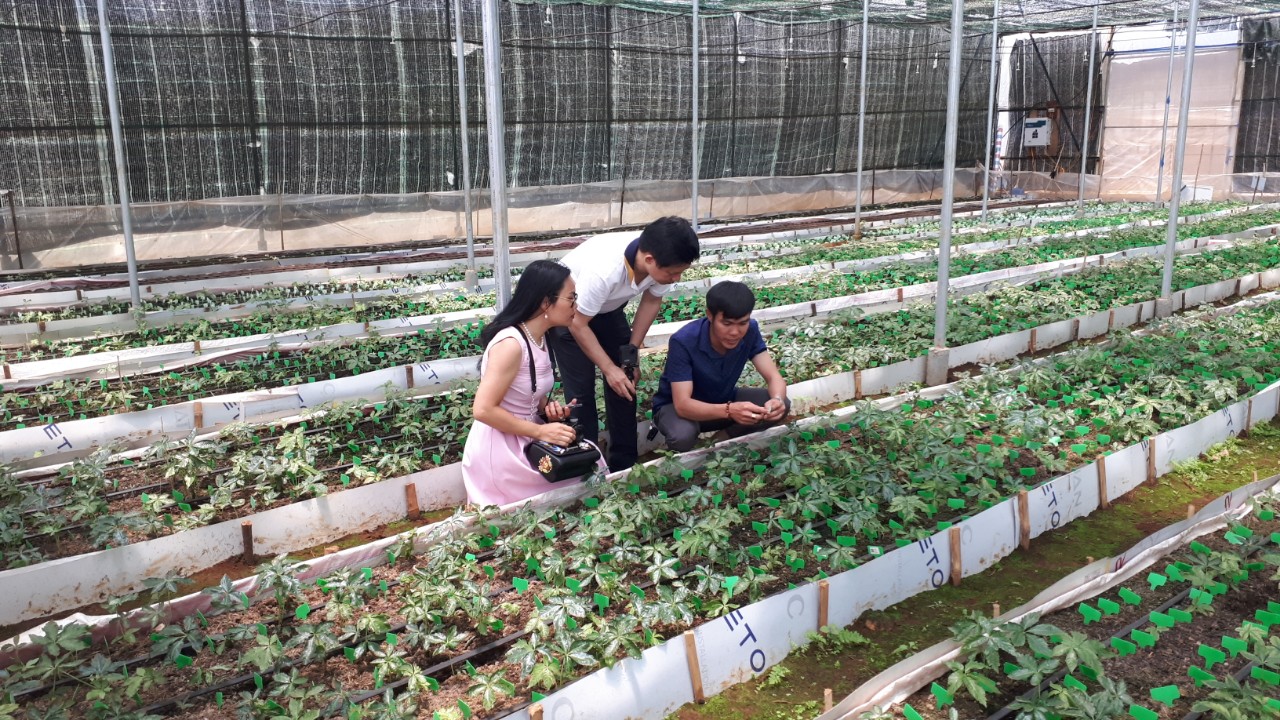
We have developed a cultivation method at elevations of 1,100–1,400 meters beneath natural forest canopies. This approach helps restore degraded soil, improve soil fertility, and increase forest cover while protecting the ecological balance of the surrounding area.
Transforming cultivation through sustainable methods
At VIGINSENG, we are pioneering environmentally friendly cultivation methods for Vietnamese Ginseng (Panax vietnamensis). Traditionally, ginseng has been grown at elevations above 1,600 meters. However, these practices have limited cultivation areas, contributed to soil degradation, and placed excessive pressure on natural populations.
Our innovative approach focuses on cultivation at lower elevations (1,100–1,400 meters) beneath natural forest canopies. This method helps restore degraded soil, improve soil fertility, and increase forest cover while preserving the ecological balance of the area.
Balancing Economic Growth and Environmental Conservation
Balancing economic development and environmental conservation
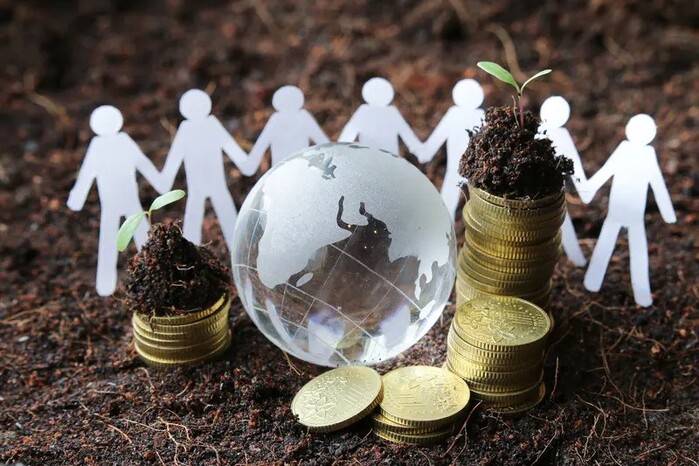
Vietnamese Ginseng is a medicinal herb with high economic value, but traditional cultivation practices can contribute to deforestation and biodiversity loss. By adopting sustainable farming techniques, we ensure that economic growth goes hand in hand with environmental protection.
Our methods include:
- Agroforestry Integration: Growing ginseng alongside native tree species to enhance biodiversity and prevent deforestation.
- Regenerative Soil Management: Using organic fertilizers, natural soil amendments, and sustainable irrigation systems to improve soil health.
- Wildlife and Plant Conservation: Preserving natural forest habitats to protect local ecosystems and prevent habitat loss.
Agroforestry and Its Role in Biodiversity Conservation
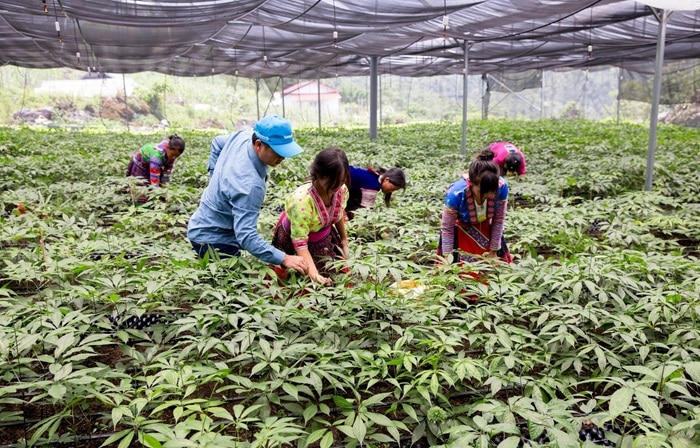 Agroforestry and its role in biodiversity conservation
Unlike traditional monoculture farming, our agroforestry model integrates Vietnamese Ginseng with forest tree species and indigenous medicinal plants, delivering several benefits:
- Enhancing carbon sequestration, reducing CO₂ emissions, and contributing to climate change mitigation.
- Improving water retention, preventing soil erosion, and protecting water resources.
- Supporting pollinator populations and promoting healthy interactions between crops and insects.
This approach creates a self-sustaining ecosystem where ginseng can grow naturally without depleting soil resources.
Preventing Overharvesting and Protecting Wild Ginseng Populations
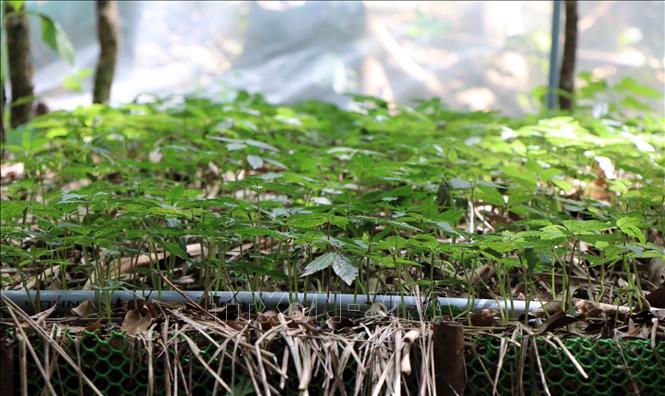
Preventing overharvesting and protecting wild ginseng populations
One of the greatest threats to Vietnamese Ginseng is overharvesting, which has caused a significant decline in wild populations. VIGINSENG’s solution is to shift from wild harvesting to controlled cultivation:
- Providing High-Quality Ginseng Seedlings: Encouraging farmers to cultivate ginseng legally rather than harvest it from the wild.
- Training in Sustainable Cultivation Techniques: Providing guidance on replanting, soil conservation, and organic pest and disease management.
- Long-Term Forest Restoration: Replanting native tree species alongside medicinal plants to restore degraded forest land.
By reducing reliance on wild harvesting, we contribute to biodiversity conservation and the development of sustainable livelihoods.
Economic and Social Impacts of Sustainable Ginseng Cultivation
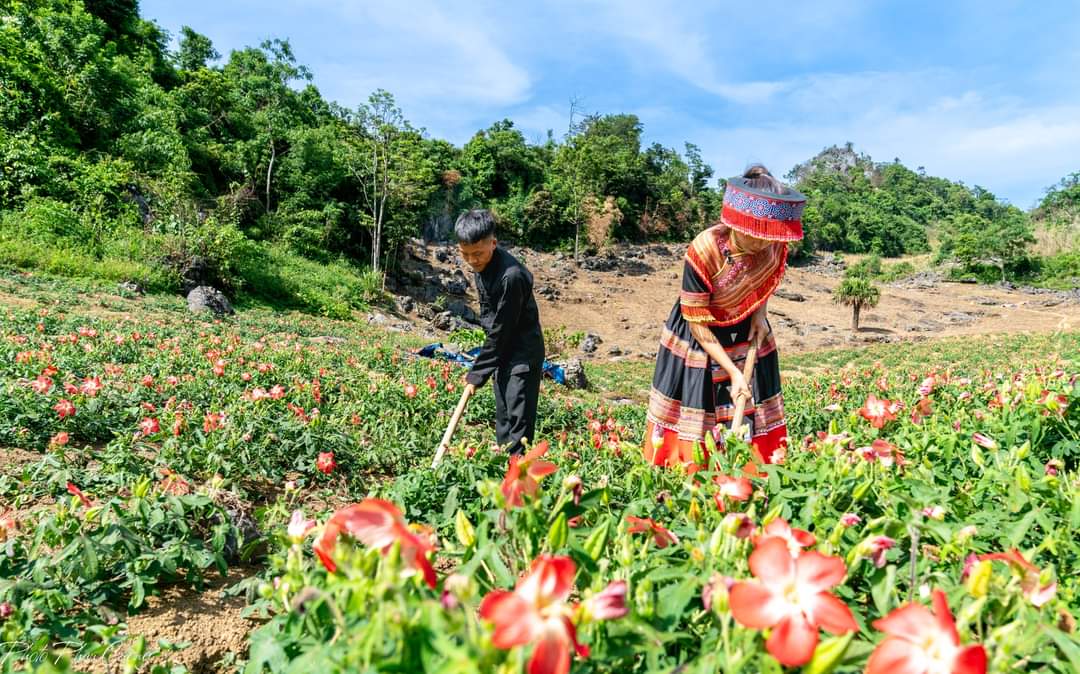
Economic and social impacts of sustainable cultivation
Integrating biodiversity conservation into ginseng cultivation not only helps protect the environment but also delivers sustainable economic and social benefits to ethnic minority communities:
- Stable Incomes for Farmers: Training 100 farming households to help increase their income by 50% through organized ginseng cultivation models.
- Creating New Employment Opportunities: Developing related industries such as seedling production, processing, and forest management.
- Education and Training Programs: Equipping younger generations with knowledge of agroforestry, conservation, and sustainable cultivation techniques.
Sustainable agriculture is not only about protecting nature; it also helps build a strong and resilient rural economy for the long term.
Scaling Up Sustainable Models for the Future
 Scaling up sustainable models for the future
To expand the impact of sustainable agriculture, VIGINSENG collaborates with research institutes, government agencies, and conservation organizations to:
- Expand sustainable ginseng cultivation areas to 100 hectares by 2030.
- Develop ecological certification standards for Vietnamese Ginseng.
- Promote Vietnam’s position as a leader in biodiversity-friendly agriculture.
Through these efforts, we aim to establish Vietnamese Ginseng as a pioneering model of regenerative agriculture, demonstrating that nature conservation and commercial development can coexist and thrive sustainably.